
Study Tips · 6 October 2026 · 3 min read
How to revise Life Processes: Respiration without copying the textbook
Breathing is not respiration. A 25-minute Grade 10 loop, the points students mix up, and the notes pack from the Science bundle.
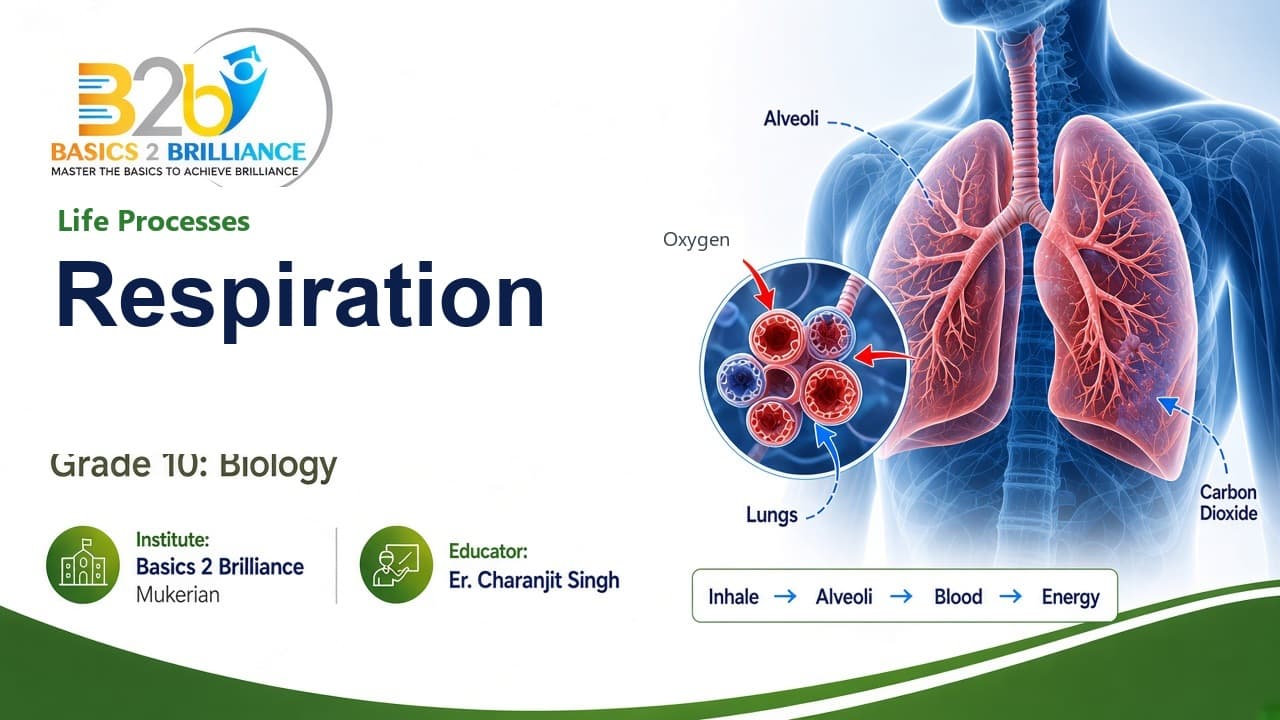
Most Grade 10 students revise Life Processes by rewriting the NCERT page on respiration. The page looks full. The mark does not move, because breathing and cellular respiration stay mixed in the same paragraph.
This chapter topic is already in the Science bundle as a notes pack. Use the pack the same way you would use a worked example: preview two pages, then sit a short loop, then open the vault for the rest.
What this topic actually asks
Respiration in Life Processes is not a diagram to colour. The paper wants you to keep three layers separate, then join them only at the end.
Breathing is the physical movement of air in and out of the body.
Cellular respiration is the breakdown of glucose to release energy, mostly in mitochondria.
Aerobic respiration needs oxygen and gives more energy; anaerobic respiration does not, and it leaves lactic acid in muscle or ethanol in yeast.
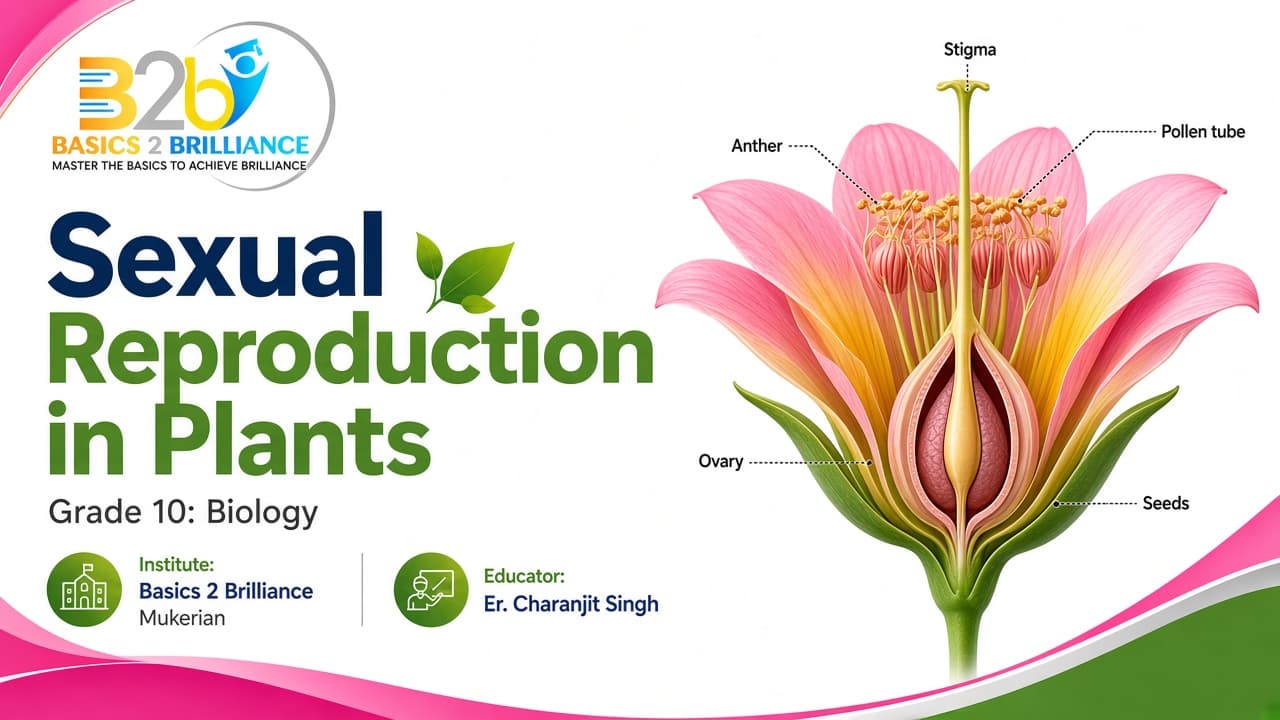
The human respiratory system is a path: nostrils, pharynx, trachea, bronchi, bronchioles, alveoli.
Gaseous exchange happens at the alveoli: oxygen into blood, carbon dioxide out, across a thin, moist, large surface.

A revision loop that fits a school day
Do not copy the chapter. Run one 25-minute loop. If a step fails, stop there. Do not “finish the PDF”.
Cover the last two lines of one worked note on breathing versus respiration. Say the difference out loud without looking.
Draw the path of air to the alveoli from memory. Label only the parts that change the air: filter, tube, exchange surface.
Write one aerobic equation and one anaerobic example (muscle or yeast). Circle the product that tells you oxygen was missing.
Open the pack preview. Check the exact sentence you missed. Do not highlight the whole page.
Keep a one-page strip
Breathing ≠ respiration.
Alveoli: thin wall, moist, large surface, rich blood supply.
Aerobic: more energy. Anaerobic: less energy, extra product.
Haemoglobin carries oxygen in blood. That is transport, not the exchange itself.

The points students mix up
These are the usual one-mark traps. Write them as a no list, not as a paragraph.
Calling the whole process “breathing” in a 3-mark answer.
Drawing alveoli without mentioning the blood capillary next to them.
Forgetting that anaerobic respiration in muscle is lactic acid, not alcohol.
Writing “energy is produced” without saying it is stored as ATP.
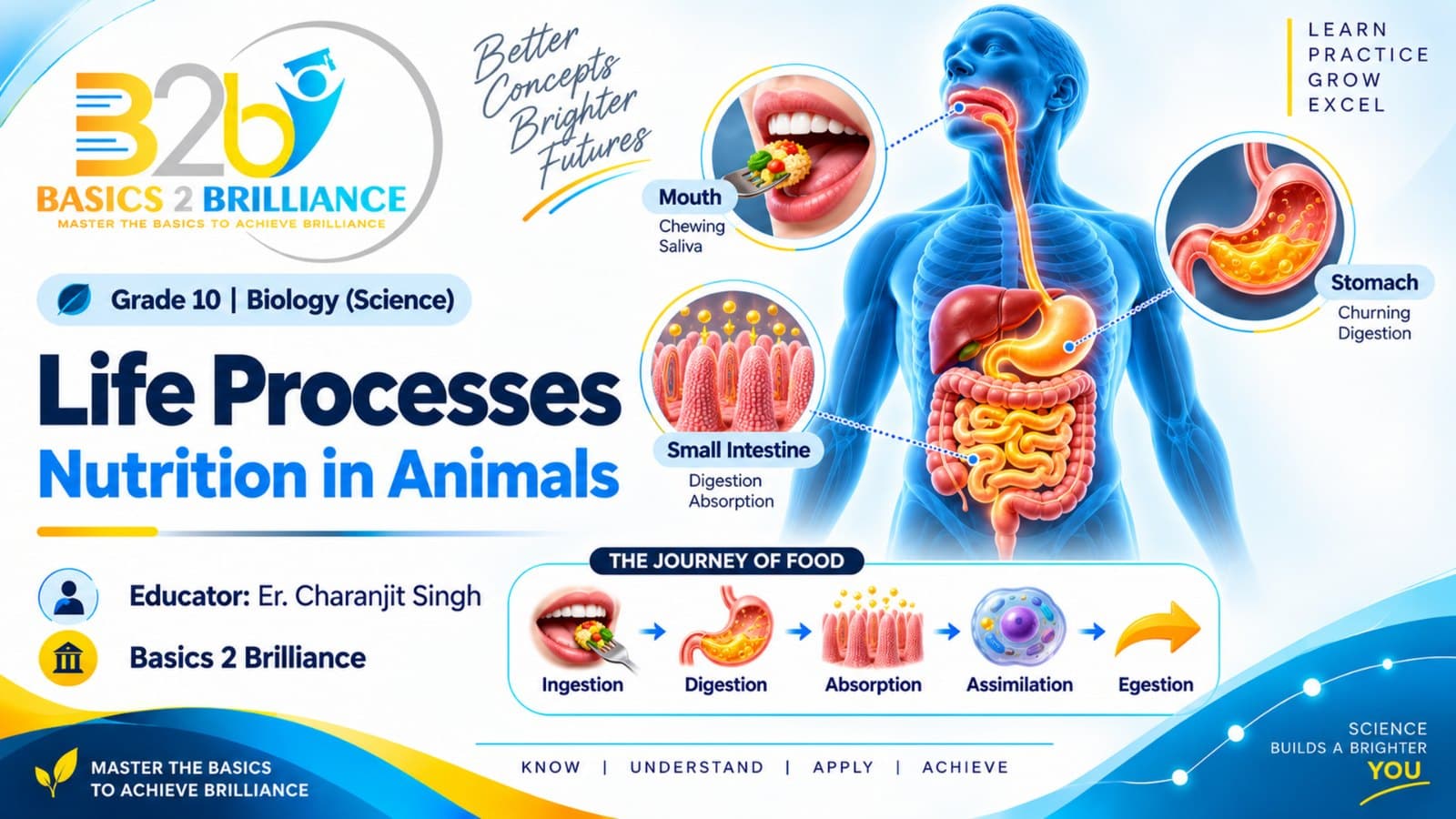
Mixing nutrition (the other Life Processes topic) into a respiration diagram.
Open the pack from this chapter
The card below is the same Grade 10 Biology pack that sits in the Science bundle: Life Processes, Respiration. Preview it as a student would, then read the rest in the vault after purchase.
Biology · Ch 6 · Grade 10 · Amandeep Singh
Grade 10 Biology · Ch 6 Life Processes: RespirationWhat to do after the preview
If the tone matches your school notes, keep the pack in the cart or buy the Science bundle so the rest of Life Processes comes with it.
After purchase, open it only in the dashboard reader. There is no download button on purpose.
Use tomorrow’s 25-minute loop on the next heading in the same chapter, not on a new subject.
Parents can help by keeping one quiet block. The notes stay in the student account, so nobody has to print the chapter overnight.




Comments
Kabir Shah 6 Oct 2026
I still mix breathing with cellular respiration when I write the 3-mark answer. Can you show where the alveoli step sits in the 25-minute loop?
Amandeep Singh 6 Oct 2026
Put the alveoli step in minute 12 of the loop: after you have said breathing versus respiration out loud, draw the path to the exchange surface, then write the aerobic equation. That is the join, not a new topic.
Log in with a student account to leave a comment.